
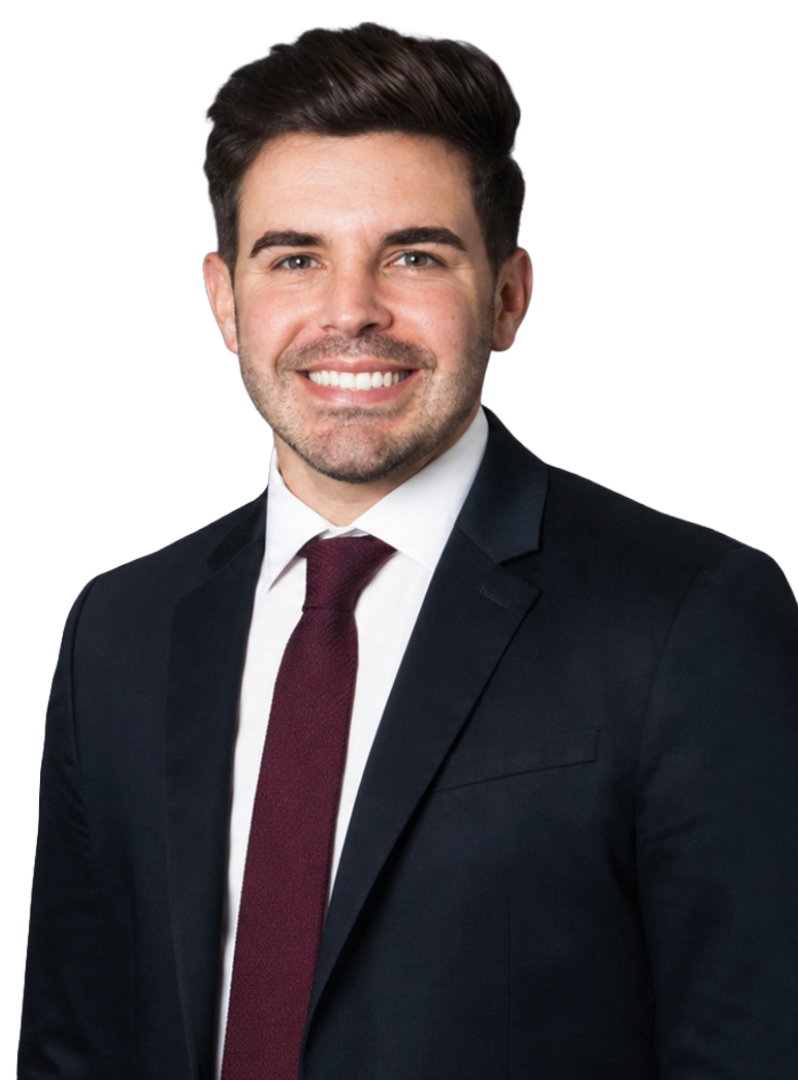
If you or a loved one has been injured in an accident in Fort Lauderdale, Florida, contact attorney Brian Elstein. As a former insurance defense lawyer, he knows how Broward County insurers build their cases and limit payouts, and he uses that experience to build yours and pursue every dollar your injury is worth.






Our Track Record
Recent Case Results
$12,250,000
$12,250,000 Settlement
Client was shot numerous times during a robbery. A negligent security action was filed and a confidential settlement was reached on behalf of the victim.
$7,900,000
$7,900,000 Settlement
Car accident resulting in wrongful death.
$4,000,000
$4,000,000 Settlement
Confidential Settlement on behalf of Hollywood film producer.
Fort Lauderdale, Florida
Experienced Fort Lauderdale Personal Injury Attorneys
Elstein Legal represents injured people across Fort Lauderdale and Broward County. Attorney Brian Elstein handles every case himself, from the first call through settlement or trial, so you are never passed to a junior associate or a case manager you have never met.
The firm takes cases throughout the area, from crashes on I-95 and I-595 to premises claims along Las Olas Boulevard and pedestrian and boating injuries near the Intracoastal. Brian knows the Broward County Courthouse on SE 6th Street and the carriers and defense firms that operate here.
Because Brian once worked the other side of these claims as an insurance defense lawyer, he reads carrier tactics early and answers them before they cost you. The consultation is free, and you owe no fee unless the firm wins your case. Call (305) 299-2835 to talk through what happened.
Get a Free Case Review ›Why Choose Elstein Legal in Fort Lauderdale?
Elstein Legal is built around one idea: the Fort Lauderdale personal injury lawyer you hire is the lawyer who actually works your file. Brian Elstein represents injured people across Broward County, and he brings something most personal injury firms cannot, years spent defending insurance companies before he switched to the side of the injured.
Dedicated Representation for Fort Lauderdale Injury Victims
At larger firms, your case can pass through several hands before anyone who matters reviews it. A paralegal opens the file while a case manager handles the calls, and you may not speak with an attorney until the eve of mediation. Brian works differently. He takes your first call, gathers the evidence, deals with the adjuster, and stands up in the Broward County Courthouse if your case goes that far. You get one phone number and one lawyer who knows your story.
That continuity matters in injury claims, where a detail mentioned in week one can decide the value of a case months later. Nothing gets lost in a handoff because there is no handoff.
No Fee Unless We Win
Money should never decide whether an injured person gets a lawyer. Elstein Legal takes Fort Lauderdale injury cases on contingency, which means you pay nothing upfront and nothing out of pocket while the case is pending. The firm advances the costs of investigating your claim and retaining the experts a strong case needs. Attorney fees come as a percentage of the recovery, and only if there is one. If the case does not result in compensation, you owe no fee.
This arrangement also lines Brian’s interests up with yours. He is paid more when he recovers more, so the incentive runs toward maximizing your result rather than billing hours.
Knowledge of Fort Lauderdale and Florida Personal Injury Law
Before representing injured clients, Brian Elstein spent years as an insurance defense lawyer. He sat in the meetings where carriers decide how to value a claim and look for reasons to deny it, and where they pressure unrepresented people into quick, low settlements. He now uses that playbook for the people on the receiving end of it.
That background matters most when Florida law is working against you. The state’s no-fault system requires your own Personal Injury Protection coverage to pay first, at least $10,000 in benefits covering 80 percent of medical bills and 60 percent of lost wages, but only if you seek care within 14 days of the crash. Miss that window and the coverage can evaporate. To recover for pain and suffering from the at-fault driver, your injury has to clear Florida’s serious-injury threshold, which is exactly where insurers fight hardest, so Brian builds the medical proof that gets a claim over that line. He also knows the 2023 changes cold. Under Fla. Stat. § 768.81, a Broward victim found more than 50 percent at fault recovers nothing, and Fla. Stat. § 95.11 now gives you two years from the injury date to file, not the four years many older firm websites still list. Acting on the old deadline is how valid claims quietly die. The mechanics of how PIP actually pays out are spelled out in Fla. Stat. § 627.736.
Common Personal Injury Accidents in Fort Lauderdale
Few cities in Florida pack as many crash risks into as small an area. Fort Lauderdale sits where I-95 and I-595 feed traffic toward Port Everglades, one of the busiest cargo and cruise ports in the country, which puts loaded tractor-trailers and passenger cars on the same ramps around the clock. Having a Fort Lauderdale accident lawyer who understands how those corridors actually behave is half the battle when a freight-related crash turns into a fight over liability.
Surface roads carry their own pattern. Federal Highway (US-1) and Las Olas Boulevard draw heavy pedestrian and rideshare traffic, and the intersection of E Oakland Park Boulevard and N Federal Highway has a documented history of serious collisions, as does W Commercial Boulevard at Powerline Road. Along A1A, tourists crossing toward the beach mix with cyclists and drivers unfamiliar with the road, and a pedestrian struck here can be hurt for life.
Water adds a category most inland cities never deal with. The Intracoastal Waterway and the canals that earned Fort Lauderdale its nickname mean boating collisions and dock injuries land in front of local lawyers in real numbers. Whatever the cause, the FLHSMV Crash Dashboard recorded 40,286 crashes across Broward County in 2023, roughly 110 every day.
Personal Injury Cases We Handle in Fort Lauderdale
Brian takes on the full range of injury claims that arise in Broward County, and the case types below come up most often.
Some of those calls come from a spouse or a parent, because the injured person is still in a hospital bed and cannot make the call. Where a doctor has already used the word permanent, the family is dealing with a survivor who will need help for the rest of their life, and that shapes what the claim has to cover from the beginning.
Car Accidents
Vehicle crashes make up the largest share of the firm’s Fort Lauderdale caseload, from rear-end pileups in I-95 backups to broadside collisions at Federal Highway intersections. Your PIP coverage pays first under the no-fault system, but a serious injury lets you pursue the at-fault driver directly for the rest. Brian handles these claims start to finish, and you can read more about how a Fort Lauderdale car accident lawyer approaches them.
Truck Accidents
Because Port Everglades sends a steady stream of freight onto I-595 and I-95, commercial truck wrecks happen here more often than in most South Florida cities. These cases are not ordinary crashes: federal trucking regulations apply and several parties can share liability, and the carrier’s insurer often has an investigator at the scene within hours. A Fort Lauderdale truck accident lawyer who moves quickly to preserve the truck’s data and the driver’s logs protects evidence before it disappears.
Slip and Fall
Hotels and shops along Las Olas and the beach owe their guests reasonably safe premises. When a wet floor or a broken stair causes a fall, Florida’s premises-liability law lets the injured person hold the property owner accountable, though the standard is demanding and the insurer will argue you should have seen the hazard yourself. Our slip and fall lawyer builds the proof of notice that these claims turn on.
Wrongful Death
Some Broward crashes and incidents take a life. Florida’s Wrongful Death Act lets certain surviving family members recover for their loss, including funeral expenses and the support and companionship that person can no longer provide. These are the hardest cases the firm takes, and Brian handles them personally. A Fort Lauderdale wrongful death lawyer can explain who is allowed to file and what a claim involves, without any pressure to commit.
Boat Accidents
The Intracoastal Waterway and the canal network that earned Fort Lauderdale its nickname put thousands of vessels in close quarters, and collisions or a careless operator send people to the hospital every season. Boating claims carry their own rules on insurance and liability that car-crash lawyers routinely miss, which is why an experienced boat accident lawyer matters when the injury happens on the water rather than the road.
What to Do After an Accident in Fort Lauderdale
What you do in the hours and days after a crash can decide your claim. Start by getting medical care, even if you feel fine, because adrenaline hides injuries and Florida’s PIP coverage only applies if you are evaluated within 14 days. The most serious cases in the area go to Broward Health Medical Center, the local Level I trauma center.
Report the crash. City wrecks fall to the Fort Lauderdale Police Department, and a written report creates the official record an insurer cannot easily wave away. Photograph the scene and your injuries, and collect names and numbers from any witnesses before they leave.
Treat the other driver’s insurer with caution. An adjuster may call within a day, friendly and eager to settle. Anything you say can be used to reduce your payout, so decline to give a recorded statement until you have spoken with a lawyer. Brian offers that conversation for free, and the sooner he is involved, the more evidence survives.
Talk to a Fort Lauderdale Personal Injury Lawyer Today
A Fort Lauderdale injury case rarely stays simple. A freight carrier’s insurer or a hotel’s risk team will have lawyers working their side within days, and the file you build in the first weeks tends to decide the outcome. Brian Elstein knows the Broward County Courthouse on SE 6th Street and the defense firms that show up across the table, because he used to be one of them.
You will not be handed off, and you will not pay unless the firm wins. Call (305) 299-2835 for a free consultation and find out what your claim is actually worth before an adjuster tells you it is worth less.
Have Questions?
Frequently Asked Questions
Nothing upfront. Elstein Legal works on contingency, so you pay no fee unless the firm recovers money for you. The fee is a percentage of the recovery, and the first consultation is always free. If there is no recovery, you owe no attorney fee.
Two years from the date of the injury for most negligence claims, under Fla. Stat. § 95.11. This changed in March 2023; the old deadline was four years, and many websites still list it. Wrongful death claims also run two years, measured from the date of death. Waiting can cost you the case, so it is worth talking to a lawyer early.
It depends on the severity of your injuries, your medical bills and future care, your lost income, and how clear the other side’s fault is. No honest lawyer can quote a number before reviewing the facts. Brian evaluates each case individually and will give you a realistic picture once he understands what happened.
Often, yes. Florida uses modified comparative fault, so your recovery is reduced by your share of the blame. The catch is the 50 percent bar: if you are found more than 50 percent at fault, you recover nothing. Insurers know this and will try to push fault onto you, which is one reason to have a lawyer documenting liability from the start.
Get medical care within 14 days to protect your PIP coverage, report the crash to the Fort Lauderdale Police Department, photograph the scene and your injuries, and get contact information from any witnesses. Avoid giving the other driver’s insurer a recorded statement until you have spoken with an attorney.
Minor cases can settle within a few months once you finish treatment. Serious injuries take longer, sometimes a year or more, especially if liability is disputed or the case has to be filed in the Broward County Courthouse. Brian will give you a timeline based on your specific situation rather than a generic promise.
Yes. Truck cases involve federal trucking regulations and electronic logs and vehicle data, and they often have several potentially liable parties beyond the driver, such as the carrier that employs them and sometimes the company that loaded the cargo. The carrier’s insurer usually investigates fast, so preserving evidence early is critical, and these claims tend to carry higher policy limits, which means the defense fights harder.
Fort Lauderdale
Practice Areas We Serve
Our Service Area
Proudly Serving Personal Injury Clients Across South Florida
Reach Brian Elstein, Miami Personal Injury Lawyer
The consultation is free and there is no fee unless we win. Tell Brian what happened and find out what your case is really worth.
Call 24/7
Hours
Open 24 hours · 7 days a week
Find out what your case is worth
Free, confidential evaluation. We’ll contact you right away.