






Fort Lauderdale has spent years adding bike lanes along A1A and through the Las Olas corridor, and more people are riding because of it. The problem is that those lanes sit next to vehicle traffic moving at full speed, and many of the drivers sharing that space are not watching for anyone on two wheels. Add the constant flow of tourists on beach rental bikes, riders who do not know the roads and often have no helmet, and you get a steady stream of serious cyclist injuries across Broward County. A bike crash is not a minor traffic matter when a car is involved, and the insurance company on the other side knows that too.
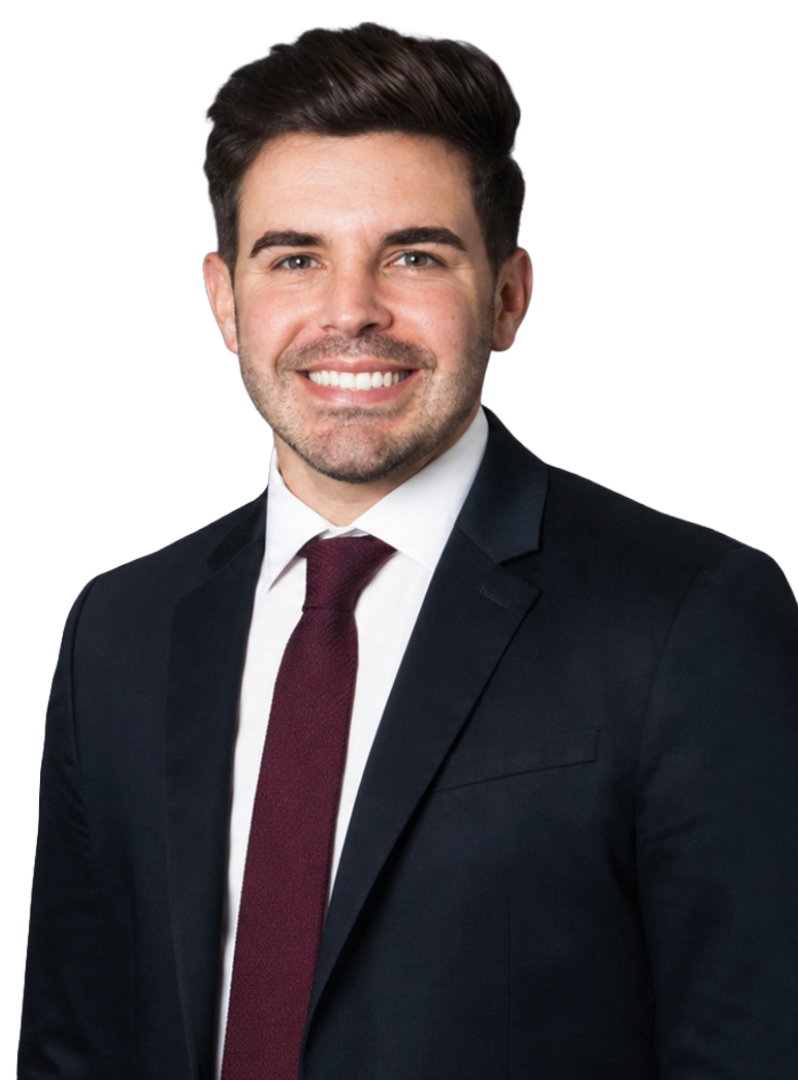
Brian Elstein started his career on the defense side, representing the carriers that now sit across from his clients. He knows the playbook those companies run against an injured cyclist before the first medical bill arrives, which is why Elstein Legal can see the undervaluation tactics coming and answer them.
Florida Bicycle Law and How It Affects Your Claim
The rules that govern a bicycle claim in Florida differ from the rules for a typical car crash, and those differences are exactly where insurers try to chip away at what a rider can recover.
Bicyclists Have the Same Rights and Duties as Drivers
Under Fla. Stat. § 316.2065, a person riding a bicycle on a Florida roadway has the same rights to the road as someone driving a car, along with the same responsibilities. A cyclist is a legitimate user of the lane, not a trespasser on space meant for vehicles. When a driver turns across a bike lane or opens a door into a rider’s path, that driver has breached a duty owed to the cyclist. Insurers often try to flip this and paint the rider as the one who broke the rules, so establishing the driver’s violation early matters.
Helmet Law and Comparative Fault
Florida does not require adult cyclists to wear helmets. Riders over 16 can legally ride without one. Even so, the absence of a helmet often becomes the insurer’s favorite argument, and the reason is Fla. Stat. § 768.81. Since the changes signed into law through HB 837 in March 2023, Florida follows a modified comparative negligence standard. A claimant found more than 50 percent at fault recovers nothing, and any fault assigned to the rider reduces the award by that percentage. Carriers use this to argue a helmetless cyclist contributed to a head injury and should bear part of the blame. The argument is beatable, but it has to be confronted head on rather than ignored.
No PIP for Bicycles
A bicycle is not a motor vehicle, which means the no-fault Personal Injury Protection system under Fla. Stat. § 627.736 does not cover a bike the way it covers a car. A cyclist struck by a vehicle does not look to a PIP policy on the bike, because none exists. Instead, the injured rider can pursue the at-fault driver’s bodily injury liability coverage. If that driver carries no insurance or flees the scene, the rider’s own auto policy may help, since uninsured and underinsured motorist coverage often follows the policyholder even while riding a bicycle. Sorting out which policy responds is one of the first things a car accident lawyer or cycling attorney has to map out, because the wrong assumption can leave money on the table.
Fort Lauderdale Cycling Corridors and Where Crashes Happen
Certain routes in the city produce cyclist injuries far more often than others, and knowing the pattern helps reconstruct how a crash happened.
A1A Beachfront
The oceanfront stretch of A1A draws the heaviest tourist cycling traffic in the city. Riders on rental bikes drift along the beach road while cars move quickly beside them, and the constant driveways and hotel entrances cutting across the bike lane create blind conflict points. A driver pulling out of a resort lot rarely expects a cyclist coming up the lane.
Las Olas Bike Lanes
Through the Las Olas corridor, the everyday hazard is the vehicle that does not belong in the lane. Delivery trucks and rideshare cars block the bike lane and force riders into traffic, and parked cars create door-zone collisions when someone opens a driver’s door into an oncoming cyclist. A door-zone crash can throw a rider directly into moving traffic.
Federal Highway (US-1)
US-1 runs for long stretches with no protected bike infrastructure, which leaves riders mixing with high-speed vehicle traffic and turning movements at every intersection. Crashes here tend to involve higher impact speeds, and the injuries follow accordingly.
Common Injuries in Fort Lauderdale Bicycle Accidents
A cyclist has no frame, no airbag, and no crumple zone. When a vehicle makes contact, the rider’s body absorbs the force directly, which is why bike crash injuries skew severe.
Head and Brain Injuries
A blow to the head during a crash can cause a concussion, a bleed, or a lasting traumatic brain injury, and these occur even when a rider was wearing a helmet. Symptoms like memory problems, headaches, and personality changes sometimes surface days after the impact.
Road Rash and Soft Tissue
Sliding across pavement strips away skin and drives debris into the wound, leading to infection and permanent scarring. Damage to muscles and ligaments often lingers long after the visible wounds close.
Fractures and Orthopedic Injuries
Riders thrown from a bike commonly break wrists, arms, collarbones, hips, and legs. Some of these breaks require surgical hardware and months of rehabilitation before a person can return to work.
Spinal Injuries
A spinal injury ranges from a herniated disc to nerve damage to paralysis. Even an injury that stops short of paralysis can leave a rider in chronic pain and unable to do the work they did before. At the far end of that range is a cyclist who does not walk or work again, where the money that decides the case is not the hospital bill but the cost of adapting a home and paying for help inside it.
What Compensation Can Injured Cyclists Recover?
A rider hurt by a negligent driver can pursue payment for medical bills already incurred and care still to come, wages lost during recovery, reduced earning capacity if the injury limits future work, and the pain and suffering tied to the harm. The damaged bicycle counts too, including repair or replacement of a high-value bike and any gear destroyed in the crash.
Because PIP does not cover a bicycle, recovery for pain and suffering depends on meeting the serious injury threshold in Fla. Stat. § 627.737. That statute permits a claim for non-economic damages when the injury involves one of four things: significant and permanent loss of an important bodily function; a permanent injury within a reasonable degree of medical probability, other than scarring or disfigurement; significant and permanent scarring or disfigurement; or death. Serious cyclist injuries almost always clear this bar, because the forces involved produce exactly the kind of permanent harm the threshold was written to capture. Where a crash takes a rider’s life, the family’s path runs through a wrongful death lawyer claim rather than a personal injury suit.
What to Do After a Bike Crash in Fort Lauderdale
Call 911 right away so police and paramedics respond and an official report gets created. The Fort Lauderdale Police Department or the Broward County Sheriff’s Office will document the scene, and that report becomes a foundation for the claim. Stay where you are until help arrives rather than leaving, even if you feel able to ride away.
Photograph everything you can: the vehicle and its license plate, your bike, the roadway, and your injuries. Collect the driver’s name, license, and insurance information, and get contact details from any witnesses. Seek medical attention even when the injuries seem minor, because adrenaline masks symptoms and a brain injury or internal damage does not always announce itself at the scene. A medical record made soon after the crash also closes off the insurer’s argument that the harm came from something else.
Why Hire Elstein Legal?
Brian Elstein handles every case himself. The person you speak with at the start is the person preparing your claim and standing across from the insurance company, not a name on the letterhead who passes your file to staff you never meet.
His background is the difference that matters most for a cyclist. He defended insurance companies before he represented injured people, so he knows how an adjuster builds a file against a rider, where they look to assign blame, and what it takes to take that strategy apart. Cases that do not settle on fair terms are litigated through the Broward County Clerk of Courts in the 17th Judicial Circuit, with the Circuit Court located at 201 SE 6th Street in Fort Lauderdale, and Elstein Legal prepares each claim as if it is headed there.
Florida has ranked for years among the most dangerous states for people on foot and on bicycles, according to Smart Growth America’s Dangerous by Design research, and Broward’s crash volume in the FLHSMV Crash Dashboard shows how often riders end up hurt. A cyclist clipped by a turning driver shares the same legal footing as someone hurt in a motorcycle accident lawyer case or struck while walking in a pedestrian accident lawyer claim.
No Fee Unless We Win
Elstein Legal takes bicycle injury cases on a contingency basis. There is no retainer and no hourly billing. The firm only gets paid out of a recovery, so if there is no recovery, you owe no attorney’s fee. That lets an injured rider pursue a claim without worrying about legal costs while still healing. Call (305) 299-2835 for a free consultation about your bike accident.
Meet Brian L. Elstein, Florida Personal Injury Lawyer
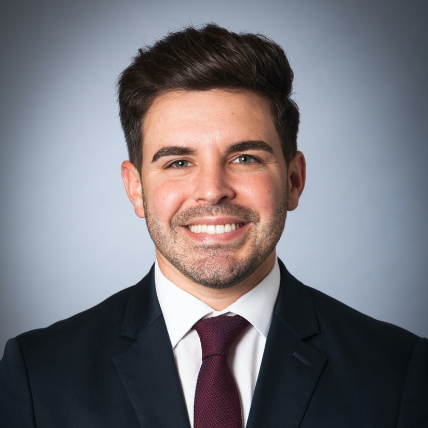
Personal injury lawyer Brian L. Elstein, Esq. has helped recover millions of dollars on behalf of his clients, and understands the importance of aggressively advocating for injured victim’s and their families.
Call now for a FREE consultation!
(305) 299-2835
Contact Us for a Free Consultation
If you or a loved one has been injured in an accident, you deserve expert legal representation to seek the justice you deserve and obtain fair compensation. You will gain an advocate for every stage in the claims process until you have the compensation you deserve.
Call us at (305) 299-2835 or contact us today for a free consultation to discuss your case. There is no fee unless we win your case.