






A motorcycle crash on a Broward County road rarely ends with an exchange of insurance cards. The rider is unprotected, and the driver who pulled out or changed lanes usually walks away unhurt while the person on the bike goes to the hospital. Broward County logged more than 40,286 reported crashes in 2023 according to the FLHSMV Crash Dashboard, and Florida sits year after year among the top five states for motorcycle fatalities. The legal path for an injured rider looks different from what most people expect, and getting it wrong early can cost you the case.
How Motorcycle Accident Claims Differ from Car Accident Claims in Florida
People assume a motorcycle claim works the same way a car claim does. It does not, and the difference starts with coverage most riders do not realize they are missing.
No PIP Coverage for Motorcycles
Florida runs a no-fault system for cars. Every registered automobile carries Personal Injury Protection, and after a wreck that PIP pays the first chunk of medical bills regardless of fault. Motorcycles sit outside that system. The PIP statute, Fla. Stat. § 627.733, does not require motorcycles to carry it, and the no-fault benefits in Fla. Stat. § 627.736 do not extend to a rider on two wheels. A car claim begins with a built-in source of first-party benefits; a motorcycle claim begins with none. Recovery comes from the at-fault driver’s liability coverage instead, which makes proving who caused the crash the central task of the case. That is why a car accident lawyer approach does not transfer cleanly to a motorcycle file.
Helmet Law and Comparative Fault
Florida lets riders 21 and over ride without a helmet if they carry at least $10,000 in medical coverage. Riding legally without one still hands insurers an argument they reach for constantly in Broward cases: that the head injury would have been smaller, or avoided, had the rider worn a helmet, pushing a share of the blame onto the injured person. Florida’s modified comparative negligence rule, set out in Fla. Stat. § 768.81 and tightened by HB 837 in 2023, gives that tactic teeth: a plaintiff found more than 50 percent at fault now recovers nothing. An adjuster who can talk a mediator into 51 percent has wiped out the whole claim. Knowing how that argument is built, and how to take it apart, is exactly the work a former insurance defense lawyer is suited to.
The Serious Injury Threshold Still Applies
The no-fault threshold can sneak back into a motorcycle case in one situation. If the rider is hurt by a driver who carries PIP and wants to pursue pain and suffering and other non-economic damages, the claim still has to clear the serious injury threshold in Fla. Stat. § 627.737. That standard is met by any one of four things: a significant and permanent loss of an important bodily function; a permanent injury within a reasonable degree of medical probability, other than scarring or disfigurement; significant and permanent scarring or disfigurement; or death. In a motorcycle crash this is rarely an obstacle, because the injuries riders suffer tend to be exactly the kind the statute was written for.
Fort Lauderdale Roads Where Motorcycle Crashes Concentrate
Crashes are not scattered randomly across Broward. Riders keep getting hurt in the same few places, and the reasons differ by location.
I-95 and I-595: Speed and Truck Volume
The interstates carry the worst of it. On I-95 and I-595 the speed gap between a motorcycle and a loaded tractor-trailer at highway pace turns a minor misjudgment into a catastrophe: a driver who never sees the bike in a mirror, a sudden lane change at 70 miles per hour, a rider caught in the turbulence behind a big rig. Port Everglades feeds heavy freight onto these corridors, which is part of why the wrecks here run so severe. When a truck is involved, the case often overlaps with the issues a truck accident lawyer handles, including federal carrier records and corporate liability.
A1A and the Beach Corridor: Tourist Drivers and Spring Break Traffic
A1A along the beach runs on a different rhythm. Drivers here are often visitors watching the ocean instead of traffic or hunting for a parking spot. During spring break the volume climbs and the attention drops further, and riders get cut off by drivers who never registered the bike at all. These crashes happen at lower speeds than the interstate wrecks, but a rider thrown onto pavement at 35 miles per hour is still badly hurt.
Las Olas and Downtown Intersections: Left-Turn Crashes at Night
Around Las Olas and the downtown grid, the danger is the intersection at night. Bar and restaurant traffic puts impaired and distracted drivers on the road after dark, and the classic motorcycle killer plays out again and again: a driver turning left across the rider’s path, having misjudged the bike’s speed or missed its single headlight among the streetlights. Left-turn collisions are among the deadliest patterns for riders, and the downtown core produces a steady supply.
Common Causes of Motorcycle Accidents in Fort Lauderdale
The roads differ, but the underlying driver failures repeat.
Left-Turn Crashes at Intersections
The most common serious motorcycle collision is the left-turn crash. A driver waiting to turn sees what looks like open road and turns directly into an oncoming rider. A bike’s narrow profile is easy to overlook and hard to gauge for speed, and the result is a high-impact strike on a rider with no time to react.
Lane Changes Without Checking Blind Spots
Riders also get hit when a driver merges without a real shoulder check. A bike disappears into a blind spot more easily than another car would, and a driver relying on a quick mirror glance moves into space the rider already occupies.
Distracted and Impaired Drivers
A phone in a driver’s hand takes their eyes off the road long enough to miss a motorcycle entirely, and alcohol does the same near the entertainment districts at night. A driver who would have braked in time for a car often never reacts to the smaller, harder-to-spot motorcycle until contact.
Road Hazards: Potholes, Debris, and Construction Zones on I-595
Some crashes do not involve another vehicle at all. A pothole, spilled diesel, or a poorly marked construction zone on I-595 can put a rider down without warning, where a car would shrug off the same hazard. When a government entity or a contractor failed to maintain or properly mark the roadway, that failure may itself be the basis of a claim.
Common Injuries in Fort Lauderdale Motorcycle Crashes
With no cage and no airbag around a rider, the injuries run severe.
Road Rash and Degloving Injuries
Sliding across asphalt strips away skin and tissue. Severe road rash can require skin grafts, and the worst cases involve degloving, where the skin is torn away from the muscle beneath. These injuries scar permanently and carry a real risk of infection.
Traumatic Brain Injuries
A blow to the head, even with a helmet, can cause a traumatic brain injury that reshapes a person’s memory, concentration, and personality. The effects are sometimes permanent, and the cost of long-term care can be enormous. Valuing the case means accounting for a lifetime of consequences, not just the first hospital bill. Where the damage does not resolve, the rider ends up with a life rebuilt around care and supervision, and the people providing it are usually family members who took the role on with no warning.
Broken Bones and Orthopedic Injuries
Riders routinely break wrists, arms, legs, and collarbones bracing against impact or hitting the ground. Many of these fractures need surgery, hardware, and months of rehabilitation, and some never quite return to full strength afterward.
Spinal Injuries
The most life-altering crashes involve the spine. A spinal cord injury can mean partial or complete paralysis, and even a damaged disc or vertebra can produce chronic pain and permanent limitation. These cases carry some of the highest lifetime costs of any injury and demand careful future-care planning.
What Compensation Can Motorcycle Accident Victims Recover?
A rider’s claim can cover medical bills, lost income, pain and suffering, and damage to the motorcycle itself. The point that surprises riders most: without PIP, no first-party insurance pays those medical bills as they arrive. Payment comes from the at-fault driver’s liability coverage, or from the rider’s own MedPay or uninsured/underinsured motorist policy if one exists. That makes future care and lost earning capacity especially important to document well. A broken arm that heals is one number; a spinal injury that ends a career is another entirely, and the difference only shows up in the recovery if those future losses are proven with medical and economic evidence rather than assumed. When a crash takes a rider’s life, the family’s claim shifts into a separate body of law that a wrongful death lawyer handles.
What to Do After a Motorcycle Crash in Fort Lauderdale
The steps you take in the first hours shape what is possible later. Call 911 and get medical help; inside city limits the responding agency is the Fort Lauderdale Police Department, and outside them it is the Broward County Sheriff’s Office. Photograph everything you safely can: the vehicles, the road, the skid marks, the signage and signals. If a rider is down and possibly injured, do not pull the helmet off, since moving the head can worsen a spinal or brain injury; leave that to the paramedics. Decline to give a recorded statement to the other driver’s insurer, because adjusters are trained to draw out admissions that can be used against you. Speak with a lawyer before the insurance company takes any statement, so the first version of events on record is accurate rather than one shaped to reduce your claim.
Why Hire Elstein Legal for Your Fort Lauderdale Motorcycle Case?
We Understand How Insurers Treat Motorcycle Claims
Brian Elstein built part of his career on the other side of these cases, working as an insurance defense lawyer. He sat in the rooms where carriers decided how to value a motorcycle claim and how to keep payouts down, and he watched the helmet argument and the recorded-statement trap get used against riders. He now uses that same knowledge for injured riders, because knowing the defense playbook in advance is what lets him counter it before it works.
Brian Elstein Handles the Case Directly
A motorcycle case at Elstein Legal is handled by Brian Elstein himself. No intake team passes you down to a paralegal you never meet, and no rotating cast of associates. The lawyer who evaluates your claim is the one who works it and answers when you call.
No Fee Unless We Win
The firm takes motorcycle cases on contingency. You owe no attorney’s fee unless the case produces a recovery, so a rider facing mounting medical bills and lost income does not also have to find money for legal costs up front. Most Broward motorcycle suits are filed at the Broward County Circuit Court, located at 201 SE 6th Street in Fort Lauderdale, within the 17th Judicial Circuit, and the firm handles your case through that court from filing to resolution. Riders who were on a bicycle rather than a motorcycle should look instead to a bike accident lawyer, since the coverage rules there differ again.
Meet Brian L. Elstein, Florida Personal Injury Lawyer
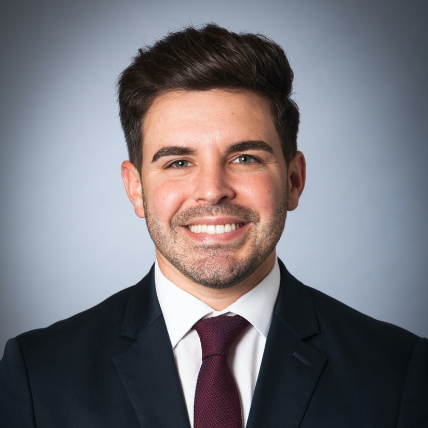
Personal injury lawyer Brian L. Elstein, Esq. has helped recover millions of dollars on behalf of his clients, and understands the importance of aggressively advocating for injured victim’s and their families.
Call now for a FREE consultation!
(305) 299-2835
Contact Us for a Free Consultation
If you or a loved one has been injured in an accident, you deserve expert legal representation to seek the justice you deserve and obtain fair compensation. You will gain an advocate for every stage in the claims process until you have the compensation you deserve.
Call us at (305) 299-2835 or contact us today for a free consultation to discuss your case. There is no fee unless we win your case.