






What Premises Liability Means Under Florida Law
Premises liability is the area of law that holds property owners and businesses responsible when an unsafe condition on their property injures a visitor. It covers far more than a wet floor near a buffet: a broken stair tread at a beachfront hotel, a poorly lit parking structure off Federal Highway, a balcony railing that gives way, or a bar with no security on a crowded night. The question that ties these cases together is whether the owner failed to keep the property reasonably safe and that failure caused the injury.
Fort Lauderdale changes the calculation because of who tends to own the property. Much of the city’s economy runs on tourism, so the defendant is often a resort operator, a national restaurant chain, a cruise line, or a marina company. These businesses carry large liability policies and employ risk managers whose work begins the moment an incident report is filed. Knowing how they prepare a defense is the difference between a claim that gets paid and one that gets minimized.
The Duty of Care Property Owners Owe Visitors
Florida sorts visitors into categories, and the duty owed depends on which one applies. An invitee is someone on the property for the owner’s benefit, such as a paying hotel guest, a restaurant patron, or a cruise passenger walking the terminal. Invitees are owed the highest duty: the owner must keep the property reasonably safe and warn of hidden dangers it knows about or should find through reasonable inspection. A licensee, such as a social guest, is owed a moderate duty, mainly a warning of known dangers, and a trespasser is owed the least. The exception is the attractive nuisance doctrine, which raises the duty when children are involved, so an unfenced pool that draws kids can create liability even though the child was trespassing.
Most premises cases in Fort Lauderdale involve invitees, since most involve customers of a business. That category sets the highest standard, and it is also where defendants spend the most effort arguing the hazard was open and obvious or that the visitor strayed beyond the area they were invited into.
The 2023 Change That Affects Premises Cases
In March 2023, Florida moved to a modified comparative fault system under Fla. Stat. § 768.81, enacted through House Bill 837. Under the prior rule, a partially at-fault plaintiff could still recover a reduced amount. Now a plaintiff found more than 50 percent at fault recovers nothing.
That single number reshaped how premises defendants litigate. In a Las Olas bar or hotel case, the playbook is to push the visitor’s share of fault past the 50 percent line: the guest was intoxicated, was looking at a phone instead of where they were walking, ignored a posted sign, or wandered into a restricted area. Each argument tries to flip the case from “the property was unsafe” to “the visitor caused their own injury.” Countering it takes evidence gathered early, before anyone has a reason to clean up the story.
Fla. Stat. § 768.0755: The Transitory Foreign Substance Rule
Slip-and-fall cases on a wet floor carry an extra hurdle written into Fla. Stat. § 768.0755. When someone slips on a spill or other transitory substance in a business, the injured person must show the business knew about the hazard or should have known because it sat there long enough that a reasonable owner would have found and cleaned it. A puddle that appeared seconds before the fall is treated differently from one that sat for an hour while staff walked past.
Timing evidence often decides these cases. Surveillance video showing how long a spill sat on the floor, and cleaning logs showing when the area was last inspected, can determine whether a claim survives. Hotels and large restaurants keep both and do not hand them over voluntarily, so a demand to preserve that footage needs to go out before the system overwrites it, which on many properties happens within days.
Common Premises Liability Claims in Fort Lauderdale
Hotel and Resort Injuries on A1A
The hotels and resorts along A1A and the beach generate a steady volume of premises claims. Pool decks turn slick without proper drainage, gym equipment fails when maintenance is skipped, elevators misalign with the floor, and balcony railings corrode in the salt air until they give way under normal use. Because these are large properties with national insurers behind them, the response to an injury is fast and organized, which is why early documentation matters. A railing that gives way on an upper floor can end with a spinal cord injury and a wheelchair, which turns a hotel claim into one priced on a lifetime of care rather than on the weeks that followed the fall.
Negligent Security at Las Olas Bars and Nightclubs
Negligent security is a premises claim that arises when a property fails to protect guests from foreseeable crime. On Las Olas, that means assaults outside crowded bars, shootings in poorly monitored parking areas, and injuries where lighting or security staffing was too thin for the crowd.
Foreseeability decides these cases. If similar crimes happened on or near the property before, the owner had reason to add lighting, cameras, or guards, and the failure to do so becomes the basis of the claim. Records from the Fort Lauderdale Police Department and the Broward County Sheriff’s Office often supply that history, and the broader FLHSMV crash dashboard figure of 12,465 Broward hit-and-run crashes in 2023 is part of the public-safety picture juries weigh when a venue claims an attack was unforeseeable. When a firearm is involved, these matters overlap with a bar and nightclub shooting lawyer claim.
Cruise Terminal and Marina Dock Injuries
Port Everglades is one of the busiest cruise ports in the world, and the terminal and surrounding marinas produce their own premises injuries. Gangways are steep and crowded during boarding, dock surfaces stay wet and slick, and loose boards or missing handrails on older marina structures cause falls into the water or onto hard surfaces below. Operations at Port Everglades involve the port authority, private terminal operators, and the cruise lines, so identifying the right defendant takes investigation. Injuries aboard a vessel rather than dockside follow different rules and may point toward a cruise ship accident lawyer claim.
Retail and Parking Lot Accidents
Commercial properties along Federal Highway and the city’s shopping corridors round out the common claims. Cracked sidewalks, potholes in poorly maintained lots, falling merchandise, and unlit stairwells injure customers who expected a safe space. Parking structures are a frequent source of both fall injuries and negligent security claims, since they combine trip hazards with isolated, low-visibility areas where assaults happen.
Florida’s Two-Year Filing Deadline
Florida gives most injury victims two years from the date of injury to file a lawsuit, under Fla. Stat. § 95.11. The 2023 reforms shortened this window from four years, so the deadline is tighter than many people expect.
Premises cases carry a practical urgency beyond that date. A business can repair or alter a hazardous condition within hours: the torn carpet gets replaced, the broken railing gets fixed, the burned-out light gets a new bulb, and the surveillance footage cycles off the system. Once that happens, proving the property was unsafe at the moment you were hurt becomes far harder, which is why documenting the condition and sending a preservation demand quickly matters.
Common Injuries in Fort Lauderdale Premises Liability Cases
Fractures and Orthopedic Injuries
Falls on hard tile, pool decks, and parking surfaces commonly break wrists, hips, and ankles. Older guests at resort properties are especially prone to hip fractures, which often require surgery and months of rehabilitation and can mean lost income for anyone whose work depends on physical mobility.
Traumatic Brain Injuries
A fall from a balcony, down a stairwell, or onto a concrete deck can cause a traumatic brain injury even with no obvious wound. Symptoms like memory loss, headaches, and personality changes sometimes appear days later, which is why prompt medical evaluation after any head impact matters to both health and the claim.
Assault and Battery Injuries
Negligent security cases produce a different injury profile: wounds from physical assaults, stabbings, and shootings. Beyond the physical harm, victims of violent crime on a property often carry lasting psychological trauma, and that emotional injury is a recoverable part of the claim.
Spinal and Soft-Tissue Injuries
Back and neck injuries range from herniated discs to long-term soft-tissue damage that lingers for years. These are common defense targets because they do not always show clearly on imaging, so the defense will argue they are exaggerated or pre-existing. Consistent medical treatment and a clear record answer that argument.
What Compensation Can You Recover?
A premises liability claim recovers the money you have already lost and the losses still coming: medical bills for emergency care, surgery, and rehabilitation, plus future treatment when an injury has lasting effects. Lost wages are recoverable, as is reduced earning capacity if the injury keeps you from the work you did before.
Beyond the economic losses, you can recover for pain and suffering and for emotional distress. Emotional distress carries particular weight in negligent security cases, where the harm reaches past the physical wound into the lasting fear and trauma that follow a violent attack. When a premises injury is fatal, the family may have a wrongful death lawyer claim for funeral costs, lost support, and their own loss.
What to Do After an Injury on Someone Else’s Property
File an incident report with the business before you leave, and ask for a copy. Photograph the hazard right away, because it may be gone within hours, and get the names and numbers of anyone who saw what happened. Seek medical attention promptly, both for your health and because a gap in treatment becomes a defense argument later.
One step matters more than people realize: do not accept gifts, discounts, or a comped stay from the property owner after an injury. A resort that offers to cover your room or hands you a voucher is often laying groundwork to call that gesture a settlement later. Decline it, document the offer, and call a lawyer before the surveillance footage is purged.
A slip on a wet floor is one of the most common ways these injuries happen, and the early steps overlap heavily with a slip and fall lawyer claim.
Why Hire Elstein Legal?
We Know Fort Lauderdale’s Hospitality Defendants
The businesses behind most premises claims here are large, well-insured, and ready to defend. Brian Elstein spent the early part of his career as an insurance defense lawyer, so he has watched how resorts and their insurers assemble a defense, test a claim’s weak points, and keep payouts low. He now uses that knowledge for injured clients, anticipating the moves before the defense makes them.
No Handoffs: Brian Elstein Handles the Case
At many firms, a senior name signs you up and a rotating cast handles the work. That does not happen here. Brian Elstein takes the cases personally and stays on them, so the person who knows your file is the person you reach when you call. Cases filed in Broward go through the Broward County Circuit Court at 201 SE 6th Street, Fort Lauderdale, in the 17th Judicial Circuit, and you can track filings through the Broward County Clerk of Courts.
No Fee Unless We Win
The firm handles premises liability cases on contingency. You pay nothing up front, and there is no fee unless we recover for you. That keeps the door open regardless of what you can afford and ties the firm’s outcome to yours. If a hotel or bar injury has left you with bills and questions, call (305) 299-2835 for a free consultation.
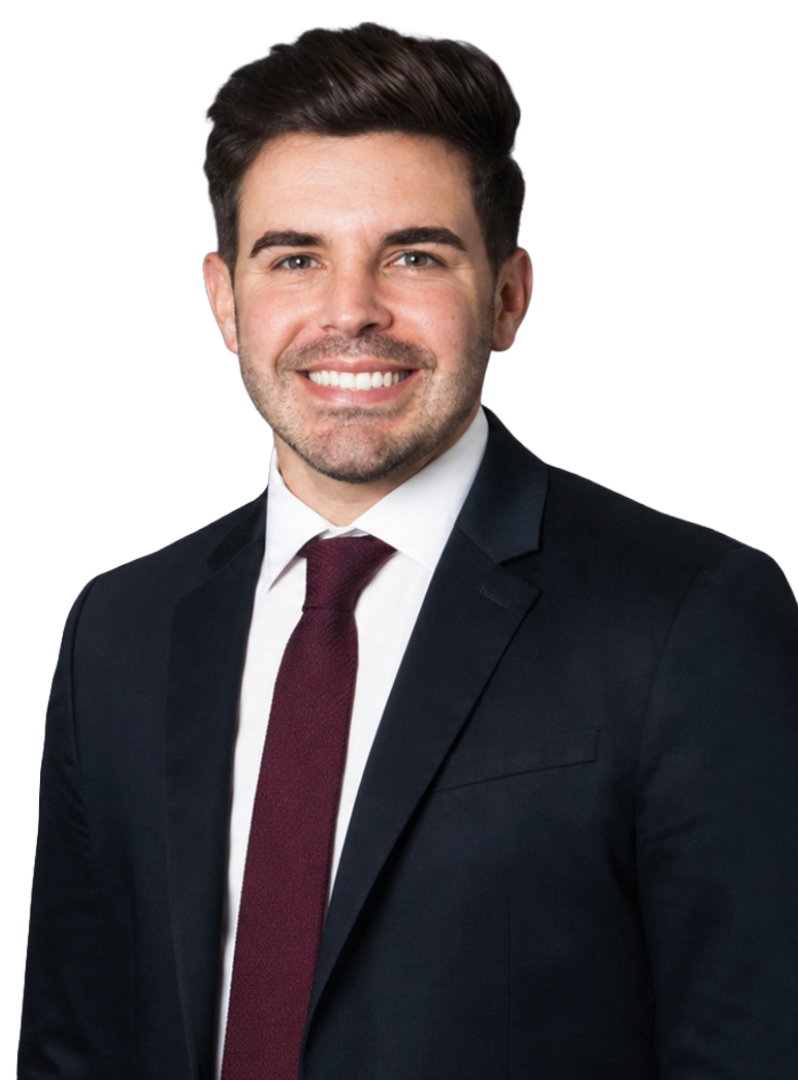
Meet Brian L. Elstein, Florida Personal Injury Lawyer

Personal injury lawyer Brian L. Elstein, Esq. has helped recover millions of dollars on behalf of his clients, and understands the importance of aggressively advocating for injured victim’s and their families.
Call now for a FREE consultation!
(305) 299-2835
Contact Us for a Free Consultation
If you or a loved one has been injured in an accident, you deserve expert legal representation to seek the justice you deserve and obtain fair compensation. You will gain an advocate for every stage in the claims process until you have the compensation you deserve.
Call us at (305) 299-2835 or contact us today for a free consultation to discuss your case. There is no fee unless we win your case.